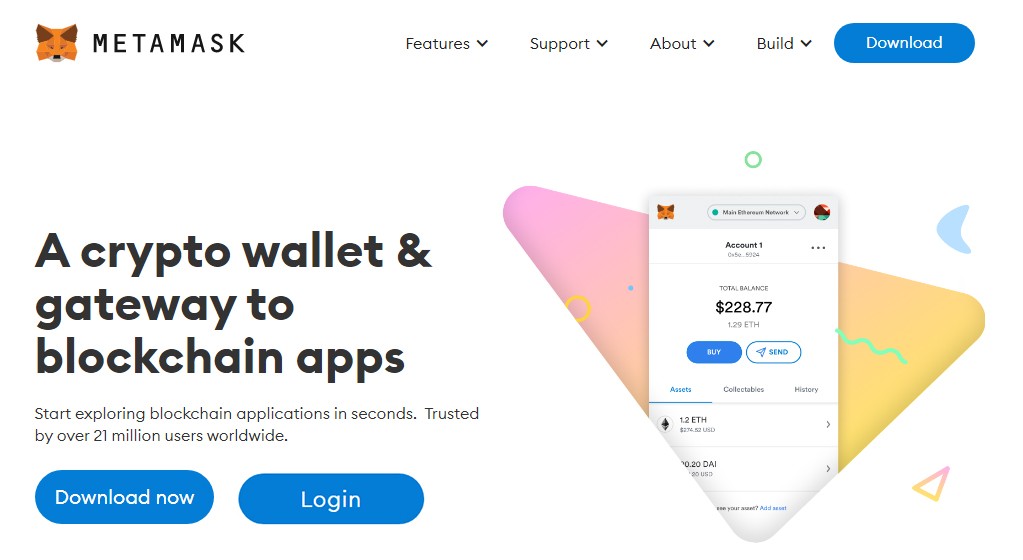
MetaMask Login –
In the world of cryptocurrency and decentralized finance (DeFi), MetaMask has become one of the most popular tools for accessing blockchain networks. MetaMask is a non-custodial wallet, meaning you control your private keys and funds. Whether you are sending crypto, connecting to decentralized applications (DApps), or managing tokens, MetaMask Login is the first and most crucial step.
This guide will provide a complete walkthrough for logging in, securing your wallet, troubleshooting, and using advanced features.
What is MetaMask?
MetaMask is a digital wallet that allows users to manage Ethereum, Binance Smart Chain, Polygon, and other EVM-compatible networks. Key features include:
Non-custodial wallet: You control private keys and recovery phrases.
Browser extension & mobile app: Available for Chrome, Firefox, Brave, Edge, iOS, and Android.
DeFi and DApp access: Connect seamlessly to decentralized applications.
Multi-chain support: Store, send, and receive tokens across multiple blockchains.
Token swapping: Exchange crypto directly in the wallet without external exchanges.
MetaMask is widely used for its user-friendly interface and secure blockchain access.
Step 1: Download and Install MetaMask
For Mobile Users
Visit the official website: https://metamask.io.
Download the app from Google Play Store (Android) or App Store (iOS).
Install and open the app.
For Browser Users
Go to https://metamask.io/download.
Install the extension for Chrome, Firefox, Brave, or Edge.
Pin the extension for quick access.
Always download MetaMask from the official source. Avoid third-party links to prevent phishing attacks.
Step 2: Creating a New MetaMask Wallet
Open MetaMask and click “Get Started”.
Select “Create a Wallet”.
Create a strong password for app access.
MetaMask will provide a 12-word recovery phrase (Secret Backup Phrase).
Write down the phrase offline and store it securely.
Confirm the phrase to complete setup.
Never share your recovery phrase. Anyone with it can access your funds.
Step 3: Logging into MetaMask
Using Mobile App
Open the MetaMask app.
Enter your password or use biometric authentication.
Access your wallet and blockchain assets.
Using Browser Extension
Click the MetaMask icon in the browser toolbar.
Enter your password.
Your wallet dashboard appears with your balances and connected networks.
Using Recovery Phrase
If you are on a new device, select “Import Wallet”.
Enter the 12-word recovery phrase.
Set a new password for app access.
Logging in with the recovery phrase is the only way to restore access if your device is lost.
Step 4: Connecting MetaMask to Decentralized Applications (DApps)
MetaMask is widely used for interacting with DeFi platforms, NFT marketplaces, and decentralized exchanges.
Visit a DApp website (e.g., OpenSea, Uniswap, PancakeSwap).
Click Connect Wallet.
Select MetaMask from the options.
Approve the connection in your wallet.
Sign transactions directly from MetaMask.
Only connect to trusted DApps. Verify URLs to avoid scams and phishing.
Step 5: Sending and Receiving Crypto
Sending Cryptocurrency
Open MetaMask and select the token to send.
Tap or click Send.
Enter the recipient’s wallet address.
Enter the amount and select the network.
Review the transaction details and confirm.
Receiving Cryptocurrency
Open the token you want to receive.
Click Receive to display your wallet address or QR code.
Share this address securely with the sender.
Always double-check addresses. Blockchain transactions are irreversible.
Step 6: Adding Custom Tokens
Some tokens may not appear automatically. To add them:
Click Import Tokens in MetaMask.
Enter the token contract address.
Enter token symbol and decimals (if required).
Click Add Token.
Now the token will appear in your wallet dashboard for management.
Step 7: MetaMask Security Best Practices
Never share your recovery phrase.
Use strong, unique passwords.
Enable biometric authentication on mobile.
Keep your app and browser updated.
Only connect to trusted DApps.
Avoid public Wi-Fi when accessing the wallet.
Consider hardware wallet integration for large holdings.
Following these practices ensures your wallet remains secure against hacks and phishing attacks.
Step 8: MetaMask Mobile vs. Browser Extension
Mobile App: Best for on-the-go access, staking, swaps, and NFT management.
Browser Extension: Ideal for DeFi transactions, DApp access, and desktop trading.
WalletConnect: Allows mobile MetaMask to connect securely to desktop DApps.
Using both mobile and browser versions provides flexibility while maintaining security.
Step 9: Swapping Tokens in MetaMask
MetaMask allows users to swap tokens without using a centralized exchange:
Open MetaMask and select Swap.
Choose the token you want to swap and the token you wish to receive.
Review quotes from multiple sources.
Confirm the swap.
Fees apply depending on network congestion. Always check before confirming.
Step 10: Troubleshooting MetaMask Login Issues
Forgot password: Use your recovery phrase to restore the wallet on a new device.
Recovery phrase not working: Ensure it’s entered in the correct order with no typos.
Browser extension not opening: Reinstall or clear browser cache.
Mobile app crashing: Update or reinstall the app.
Always keep multiple secure copies of your recovery phrase to prevent permanent loss of access.
Step 11: MetaMask WalletConnect
WalletConnect allows you to connect MetaMask mobile to desktop apps or exchanges:
Open MetaMask mobile.
Select WalletConnect.
Scan the QR code from the DApp or platform.
Approve the connection to interact securely.
WalletConnect enhances flexibility without exposing private keys.
Step 12: Advanced Tips for MetaMask Users
Multiple Accounts: Create separate accounts for trading, holding, or interacting with DApps.
Hidden Wallets: Use passphrases for hidden wallets for added security.
Hardware Wallet Integration: Connect Ledger or Trezor for additional protection.
Network Management: Add Ethereum, Binance Smart Chain, Polygon, or custom RPC networks for multi-chain access.
Transaction Monitoring: Use explorers like Etherscan to track pending transactions.
Advanced users can optimize security, manage multiple assets, and engage with complex DeFi protocols.
Step 13: Frequently Asked Questions
Q1: Is MetaMask safe?
A1: Yes, if you protect your recovery phrase and device. It is non-custodial.
Q2: Can I recover MetaMask without my password?
A2: Yes, using your recovery phrase.
Q3: Can MetaMask store NFTs?
A3: Yes, MetaMask supports Ethereum-based NFTs and some tokens on other chains.
Q4: Does MetaMask charge fees?
A4: No wallet fees, but blockchain network fees apply.
Q5: Can I use MetaMask on multiple devices?
A5: Yes, by importing your wallet using the recovery phrase.
Step 14: Long-Term Security Recommendations
Store recovery phrases offline in multiple safe locations.
Use hardware wallets for large amounts.
Enable biometric or PIN authentication.
Monitor network and wallet activity regularly.
Only connect to verified DApps and websites.
These practices ensure that your crypto assets remain secure over the long term.
Step 15: Conclusion
MetaMask Login is the gateway to securely managing your cryptocurrency. By understanding how to create, access, and protect your wallet, you can confidently interact with DeFi, DApps, NFTs, and multi-chain ecosystems.
MetaMask provides full control over private keys, token management, and seamless DApp access while maintaining top-notch security features. Following the steps and best practices outlined in this guide ensures that your crypto experience in 2025 and beyond is both safe and efficient.
Whether you are sending, receiving, swapping tokens, staking, or exploring decentralized finance, MetaMask is your essential tool for secure blockchain interaction.